
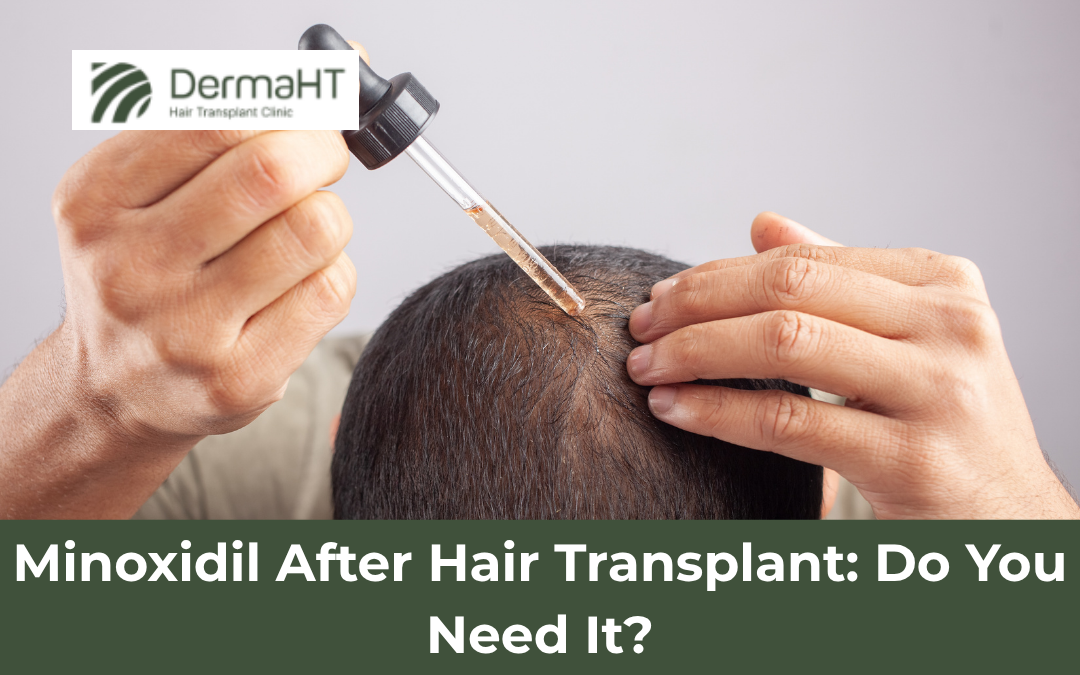
Minoxidil isn’t strictly required for transplanted hair to grow, since those grafts resist the hormone that drives balding. What it does is protect the native hair around them, which is still vulnerable and can keep thinning without it. Started at the right time, it also supports faster regrowth and reduces post-surgery shedding. For most patients that makes it worth using, though how much you need depends on how much native hair you still have.
According to Dr. Nikitha Reddy, an MD Dermatologist offering Hair Transplant in Hyderabad, “The grafts will grow either way, that part is settled. The real question is the hair you didn’t transplant, which is still on the same genetic clock it was before surgery. Minoxidil is mostly there to defend that hair, not the new grafts.”
Unsure whether minoxidil fits your case?
Why is minoxidil recommended after a transplant?
The benefit isn’t really about the grafts, which are built to last. It’s about everything around them and how quickly the result fills in.
Protects native hair. Transplanted follicles resist DHT, but the original hair beside them doesn’t, and minoxidil helps hold on to that surrounding hair as the years pass.
Reduces shock loss. Surgery can push nearby hairs into early shedding, and starting minoxidil at the right point softens that phase and helps the hair return sooner.
Speeds up regrowth. By extending the active growth phase and improving blood flow, minoxidil tends to bring transplanted hair through faster than waiting it out alone.
Keeps density even. Defending the native hair stops a gap opening up behind the transplant, which is what keeps the overall look balanced rather than patchy.
In short, minoxidil protects the result rather than creates it, which is why it sits alongside an FUE rather than replacing any part of it.
When should you start, and for how long?
Timing matters as much as the decision to use it. Too early can irritate fresh grafts, and stopping too soon undoes the point.
Wait for the scalp to heal. Most surgeons hold minoxidil until around two weeks after surgery, since applying it on fresh incisions can sting and risks disturbing new grafts.
Start once cleared. After the recipient area has settled, a 5% topical for men or a lower strength for women is the usual starting point, on your surgeon’s go-ahead.
Give it real time. Benefits build over months, not weeks, and using it for at least six months after surgery is what the evidence supports for density and growth.
Keep going for the native hair. Stop and your grafts stay, but the original hair can resume thinning, so long-term use is what protects that part of the result.
Where minoxidil fits depends on where you are in healing, and the stage-by-stage markers in our FUE recovery guide show when the scalp is usually ready for it.
Why Choose Dr. Nikitha Reddy?
Dr. Nikitha Reddy is an MD Dermatologist registered with the Telangana State Medical Council (TSMC/FMR/04492), with 6+ years in hair restoration. Every transplant plan at DermaHT includes a medical maintenance plan, minoxidil or otherwise, matched to how much native hair a patient is protecting rather than handed out the same way to everyone. The surgery places the hair, and the right aftercare is what keeps it looking that way.
📞 Call Now: +91 90639 77407
Frequently Asked Questions
Is minoxidil mandatory after a hair transplant?
No. Grafts grow without it, but it protects your native hair.
When can I start minoxidil after surgery?
Usually around two weeks, once the scalp heals and your surgeon clears it.
How long should I use minoxidil after a transplant?
At least six months, and long-term to keep protecting native hair.
Will my transplant fall out if I stop minoxidil?
No. Transplanted hair stays, but surrounding native hair may keep thinning.
Disclaimer:
This blog is for educational purposes only and is not a substitute for professional medical advice.
Please consult a qualified doctor for guidance specific to your case.