
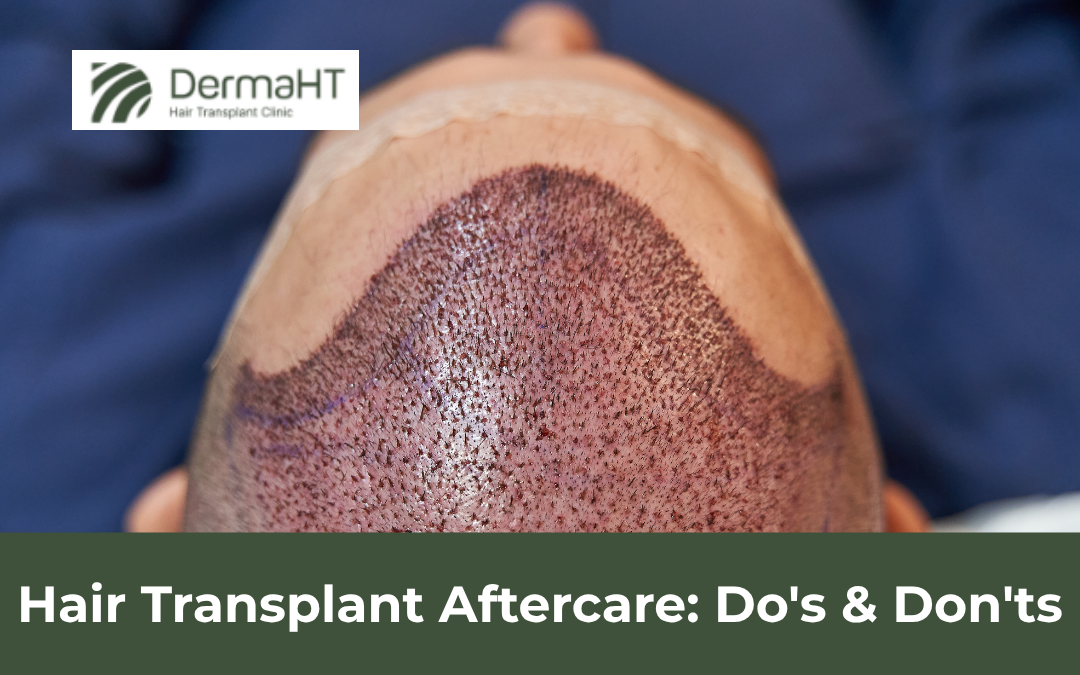
Aftercare during the first month decides how well grafts settle, how the donor zone heals, and whether the final result holds the density that surgery promised. Most graft loss in the early phase happens because of avoidable mistakes, not surgical errors, which is why post-op rules matter as much as the procedure itself. Sleeping position, washing technique, sun exposure, and physical activity all affect graft survival in different ways. Following the protocol the first 30 days is non-negotiable for protecting your investment in the procedure.
According to Dr. Nikitha Reddy, one of Hyderabad’s trusted dermatologists offering Hair Transplant in Hyderabad,“I tell every patient that surgery is half the work. The other half is what they do at home for 30 days, and skipping aftercare instructions costs more grafts than any surgical mistake I’ve ever seen.”
Just got your transplant or planning one soon?
What should you do after a hair transplant?
The do’s of aftercare protect your grafts during the most fragile window. Each one matters because the first 10 to 14 days decide whether follicles anchor properly into their new position.
Sleep elevated. Use 2 to 3 pillows or a recliner for the first 5 nights to keep the head above heart level, which controls swelling, reduces forehead puffiness, and stops blood pooling around the recipient zone.
Wash gently from day 3. Pour lukewarm water from a small mug, never spray or rub, and use only the doctor-prescribed shampoo with fingertip dabbing across the recipient and donor zones for the first two weeks.
Take prescribed medication on time. Antibiotics, anti-inflammatories, and any specific post-op tablets need to be taken on schedule, since missing doses raises infection risk and slows down the natural healing process measurably.
Attend follow-up appointments. Day 1, day 10 for suture or scab review, week 4, and month 3 visits aren’t optional, since early identification of any healing issue makes the difference between minor adjustment and lasting damage.
Following these basics is the foundation of every successful procedure, and our FUE recovery timeline blog covers exactly what each phase looks like across the full 12-month window.
What should you avoid after a hair transplant?
The don’ts of aftercare are the rules patients break most often, usually because someone said “it’s been a week, you’ll be fine.” Most early graft loss traces back to one of these mistakes.
No scratching or rubbing. Itching is normal between day 4 and day 14 as scabs form and lift, but scratching pulls grafts out of their channels before the follicles have anchored, ruining months of planning in seconds.
Skip the gym for 4 weeks. Heavy lifting, sweating, and bending raise scalp pressure and dislodge grafts, which is why most surgeons keep patients out of the gym for at least 30 days regardless of how good the patient feels.
Avoid direct sunlight. Wear a loose hat or cap when stepping out for the first 4 weeks, since UV exposure on a healing scalp can damage immature grafts and cause pigmentation changes around the recipient area.
No alcohol or smoking. Both interfere with blood flow to the scalp and slow healing measurably, and most surgeons recommend a strict no-smoking, no-alcohol window of 2 to 4 weeks for proper graft survival.
Sticking to these restrictions for a month sets up the entire growth journey, and our FUT scar visibility breakdown also covers why post-op activity restrictions directly affect how the donor closure line eventually heals.
Why Choose Dr. Nikitha Reddy?
Dr. Nikitha Reddy is an MD Dermatologist with 6+ years of hair transplant experience registered with Telangana State Medical Council (TSMC/FMR/04492), and every patient at DermaHT receives a written aftercare protocol along with scheduled follow-up visits at day 1, day 10, week 4, month 3, and month 6 to track healing directly. Patients aren’t left guessing whether something looks normal, because problems caught early are far easier to manage than ones spotted six months down the line.
📞 Call Now: +91 90639 77407
Frequently Asked Questions
When can I touch my scalp after hair transplant?
Gentle touching starts after day 10 once scabs have lifted naturally.
Can I sleep on my side after hair transplant?
Side sleeping is allowed cautiously after day 10 to avoid graft pressure.
When can I wear a helmet after surgery?
Helmets are usually safe to wear after the first 4 weeks completely.
How long should I avoid hair colouring after FUE?
Hair colouring should be avoided for at least 6 weeks after transplant.
References:
- National Center for Biotechnology Information. Postoperative Care Following Hair Restoration Surgery. https://www.ncbi.nlm.nih.gov/pmc/articles/PMC5868857/
- International Society of Hair Restoration Surgery. Patient Recovery Guidelines. https://ishrs.org/